Assessing Quality and Condition
With small decorative objects, the marks are the first place to look. Silver boxes, vesta cases and desk pieces were struck on the base, the rim or the interior of a lid, and a complete British set of marks will identify the maker, the assay office and the year of testing. Continental marks follow different conventions and often record only the metal standard, which makes the object itself the better evidence. Look at how a lid closes, whether a hinge sits flush along its full length, and whether engraved or chased decoration holds its definition at the edges. Thin, soft or blurred detail usually indicates either heavy polishing over a long life or a later reproduction.
Condition matters more in objets than in most categories, because these were working objects. Enamel should be examined for hairline cracks and losses, particularly at raised edges. Hardstone and glass should be checked for chips at the mount line. Original linings, fitted interiors and matched keys add considerably to an object's completeness, and their absence is worth knowing about before you buy. We document condition honestly in every listing, and our team is available to discuss any individual piece in detail.
Display these pieces where they will not be knocked or handled constantly, and keep them out of direct sunlight, which fades enamel colour and dries out organic materials such as leather and shell. Dust with a soft, dry brush rather than a cloth, which can catch on raised decoration or loose mounts. Silver responds well to occasional gentle polishing with a proprietary cloth, but resist the urge to remove all patina from recessed areas, as that darkening is part of how the decoration reads. Never immerse an object that combines metal with enamel, wood, hardstone or an original lining, and leave any structural repair, particularly to hinges and enamel, to a specialist conservator.
Categories Worth Knowing
The most consistently collected forms include silver and silver-gilt boxes, snuff and vesta cases, card cases, scent bottles, seals and desk pieces such as inkwells and letter openers. Victorian examples tend toward substantial gauge metal and dense engraved or repoussé decoration. Continental work, particularly Austrian and French, brought finer enamelling and a lighter touch through the late nineteenth century. Early twentieth century pieces are often the most restrained, with geometric enamel work and contrasting hardstone reflecting the same design thinking that shaped Art Deco jewellery.


 Fournisseur: The Antique GuildPrix régulier $28,500.00Prix de vente $28,500.00 Prix régulierPrix unitaire par
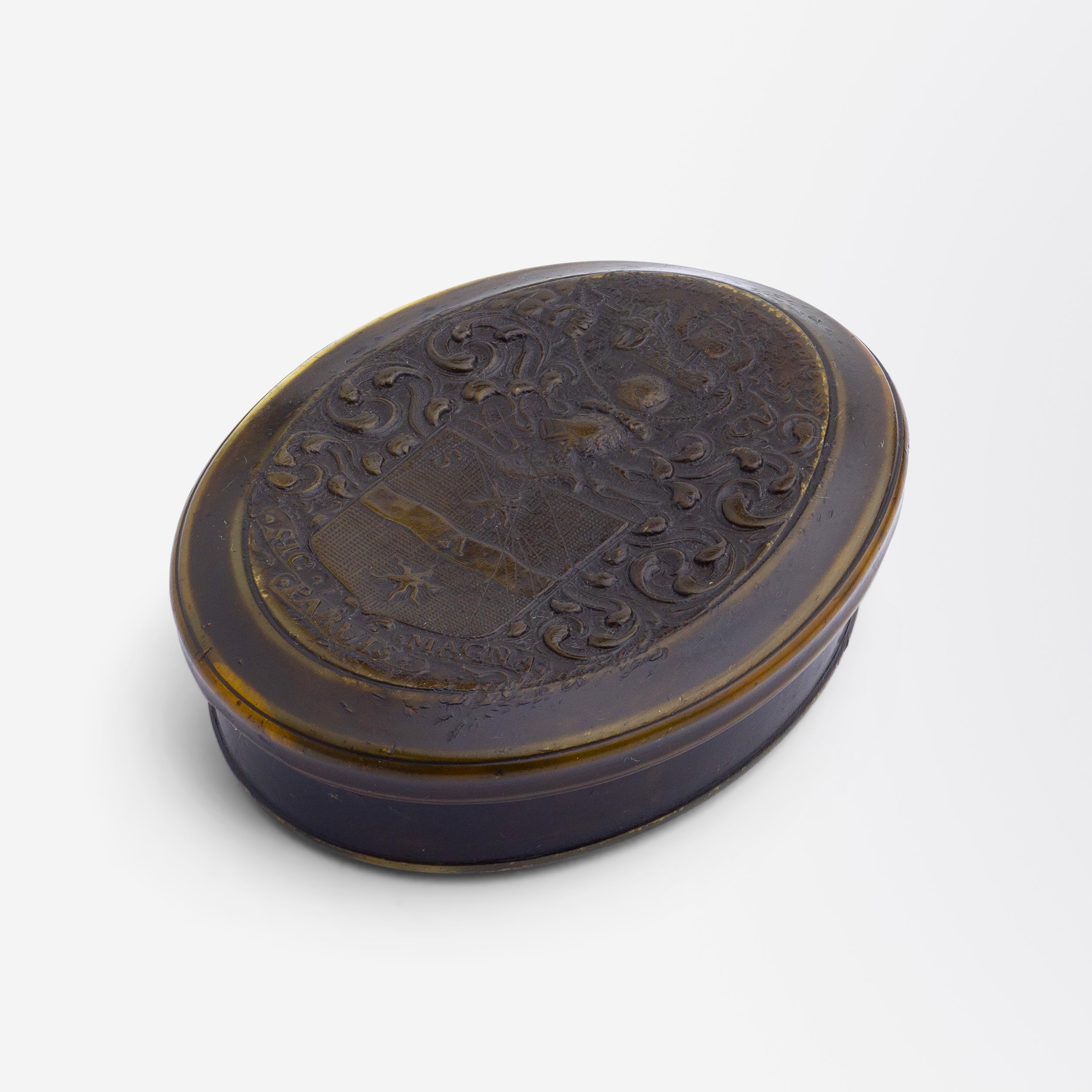
 Fournisseur: The Antique GuildPrix régulier $2,250.00Prix de vente $2,250.00 Prix régulierPrix unitaire par
 Fournisseur: The Antique GuildPrix régulier $1,450.00Prix de vente $1,450.00 Prix régulierPrix unitaire par
 Fournisseur: The Antique GuildPrix régulier $950.00Prix de vente $950.00 Prix régulierPrix unitaire par
 Fournisseur: The Antique GuildPrix régulier $49,500.00Prix de vente $49,500.00 Prix régulierPrix unitaire par
 Fournisseur: The Antique GuildPrix régulier $1,950.00Prix de vente $1,950.00 Prix régulierPrix unitaire par
 Fournisseur: The Antique GuildPrix régulier $2,200.00Prix de vente $2,200.00 Prix régulierPrix unitaire par
 Fournisseur: The Antique GuildPrix régulier $3,250.00Prix de vente $3,250.00 Prix régulierPrix unitaire par
 Fournisseur: The Antique GuildPrix régulier $1,400.00Prix de vente $1,400.00 Prix régulierPrix unitaire par
 Fournisseur: The Antique GuildPrix régulier $1,950.00Prix de vente $1,950.00 Prix régulierPrix unitaire par
 Fournisseur: The Antique GuildPrix régulier $1,495.00Prix de vente $1,495.00 Prix régulierPrix unitaire par
 Fournisseur: The Antique GuildPrix régulier $950.00Prix de vente $950.00 Prix régulierPrix unitaire par
 Fournisseur: The Antique GuildPrix régulier $6,950.00Prix de vente $6,950.00 Prix régulierPrix unitaire par
 Fournisseur: The Antique GuildPrix régulier $6,950.00Prix de vente $6,950.00 Prix régulierPrix unitaire par
 Fournisseur: The Antique GuildPrix régulier $25,000.00Prix de vente $25,000.00 Prix régulierPrix unitaire par
 Fournisseur: The Antique GuildPrix régulier $3,950.00Prix de vente $3,950.00 Prix régulierPrix unitaire par
 Fournisseur: The Antique GuildPrix régulier $3,650.00Prix de vente $3,650.00 Prix régulierPrix unitaire par
 Fournisseur: The Antique GuildPrix régulier $1,950.00Prix de vente $1,950.00 Prix régulierPrix unitaire par


